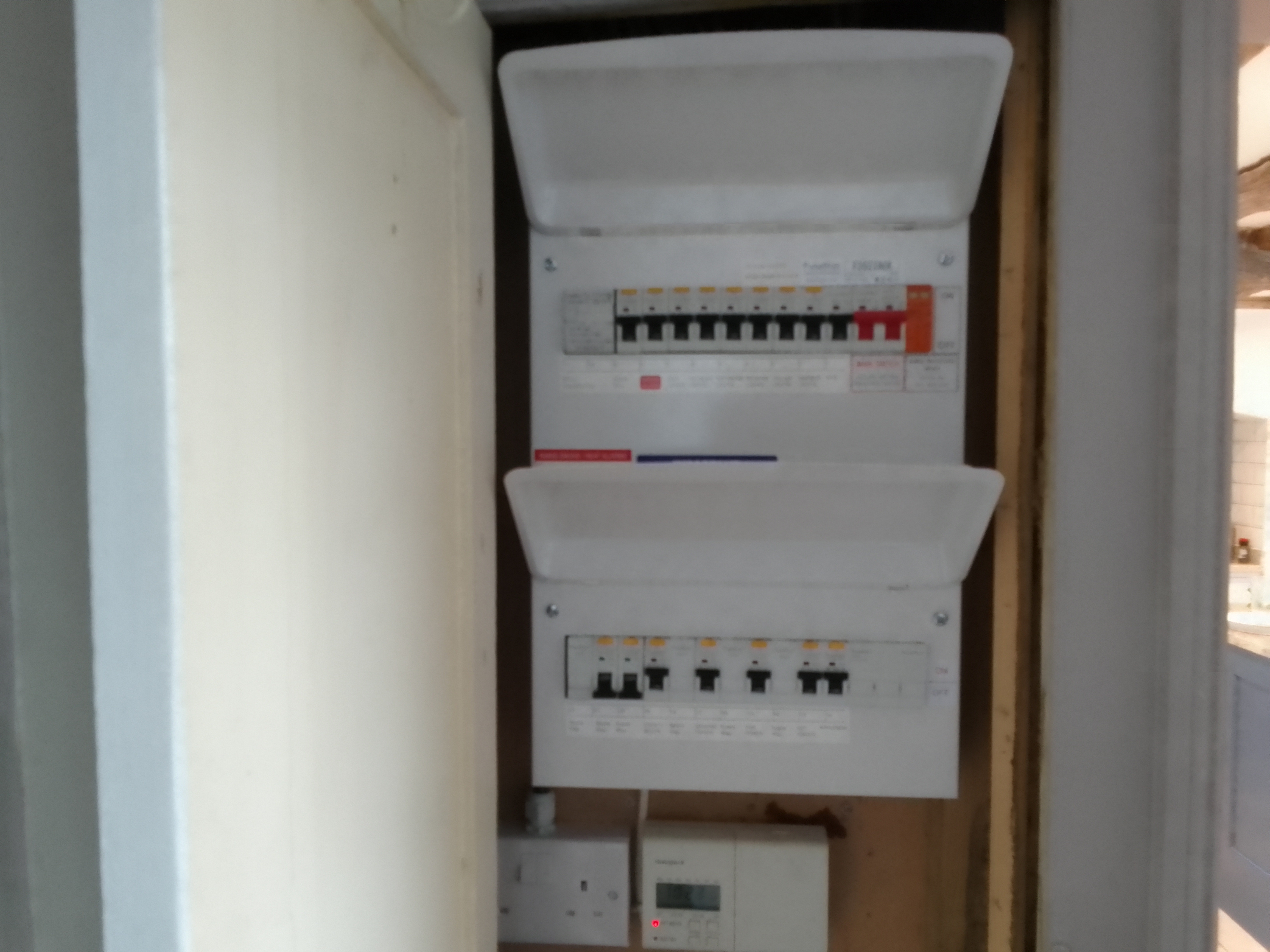
Rewireable fuse board
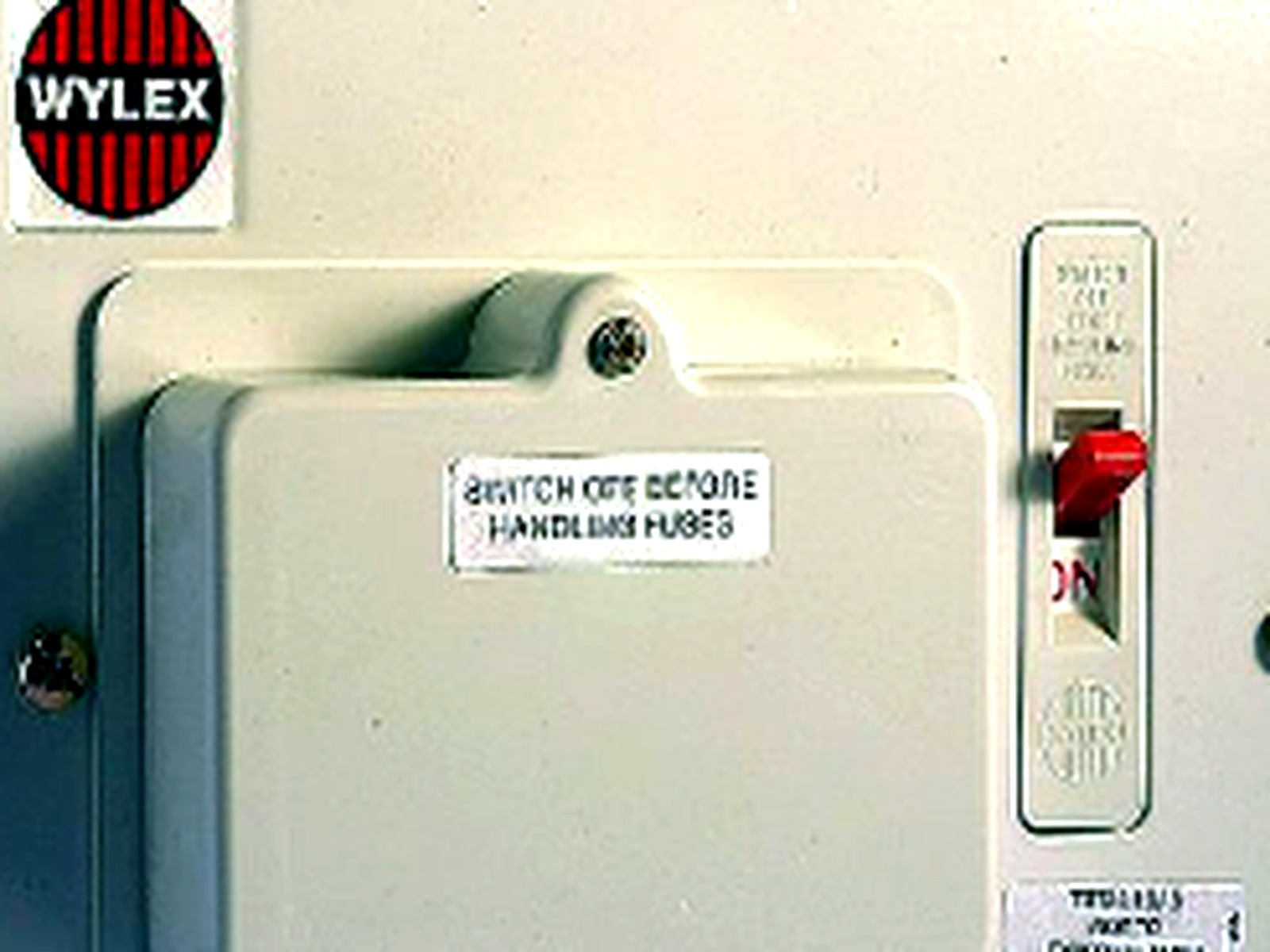
Many rewireable fuse boards continue to provide serviceable overcurrent protection, but they generally do not offer the additional protection expected from modern RCBO or RCD arrangements.
A consumer unit is the main point of protection and distribution for the electrical circuits in your property.
Older boards do not automatically need replacing simply because of age, but any planned work needs to be completed to current standards. This is important because the proposed work may mean that modifications or upgrades to the existing installation are required, which can affect the overall cost. An upgrade may also be justified by the condition of the consumer unit or poor test results. Any inspection or testing we carry out may also identify issues that make an upgrade worthwhile.
Cader Electrical will assess the existing installation, explain the options clearly and recommend replacement only where there is a genuine safety or practical benefit.
The age and type of board provide useful context, but the actual condition, protection and test results are what determine the appropriate recommendation.
Many rewireable fuse boards continue to provide serviceable overcurrent protection, but they generally do not offer the additional protection expected from modern RCBO or RCD arrangements.
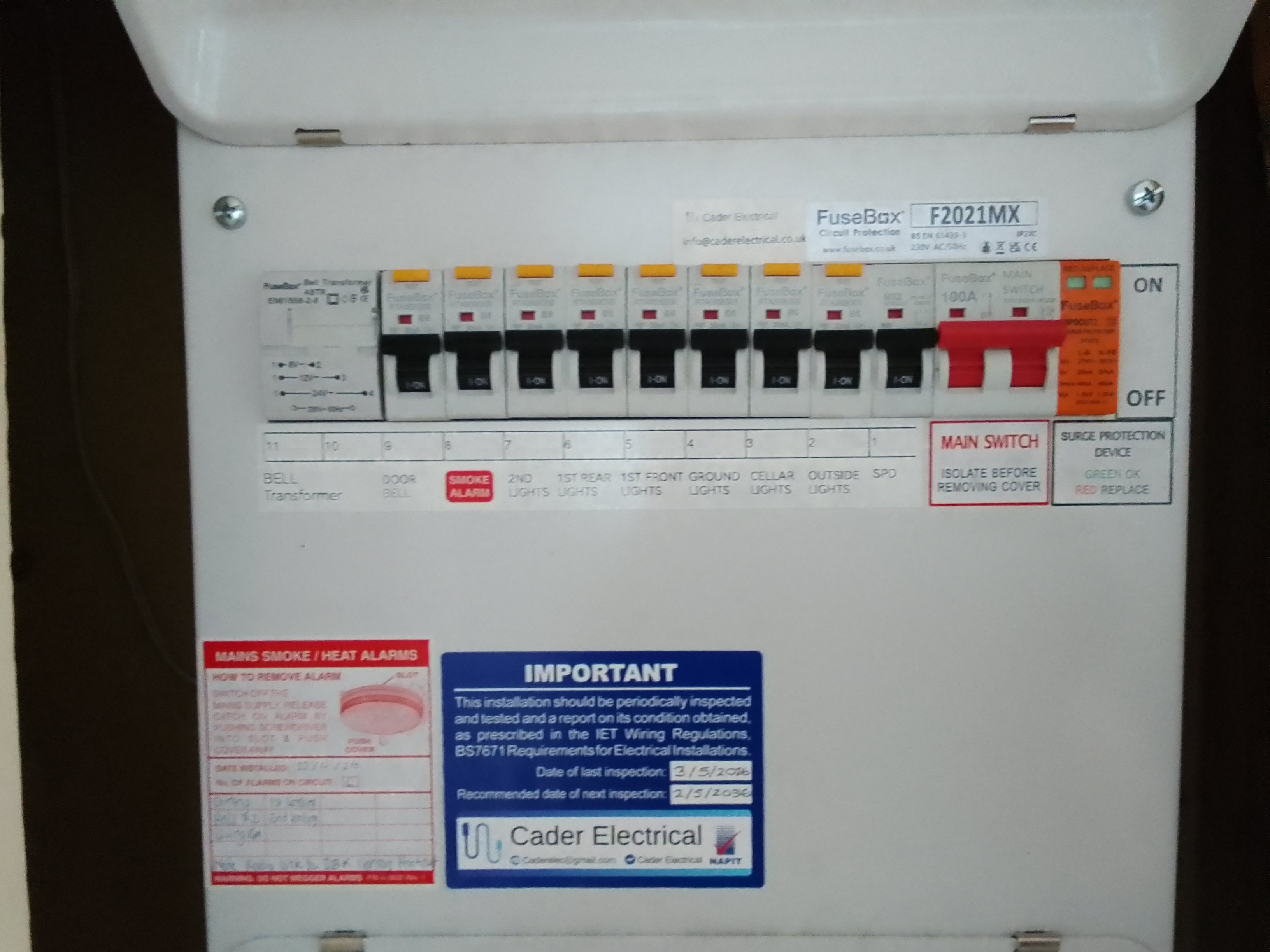
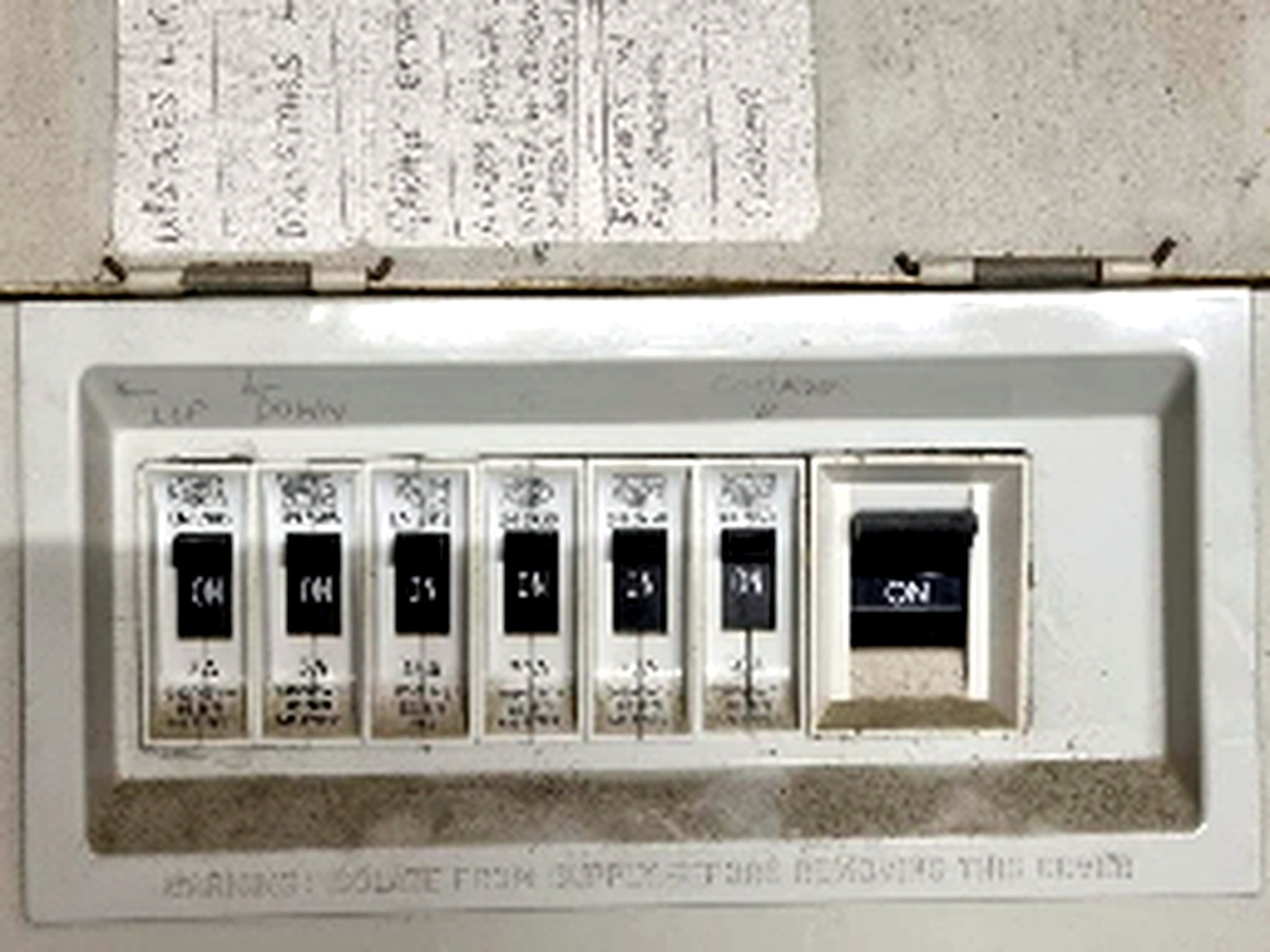
MCBs provide overcurrent protection, but older boards may not include the level of RCD, RCBO or surge protection now commonly expected. Modern homes now include LED lighting, electronic equipment, EV chargers and heat pumps that often benefit from additional protection not commonly provided by earlier consumer units.
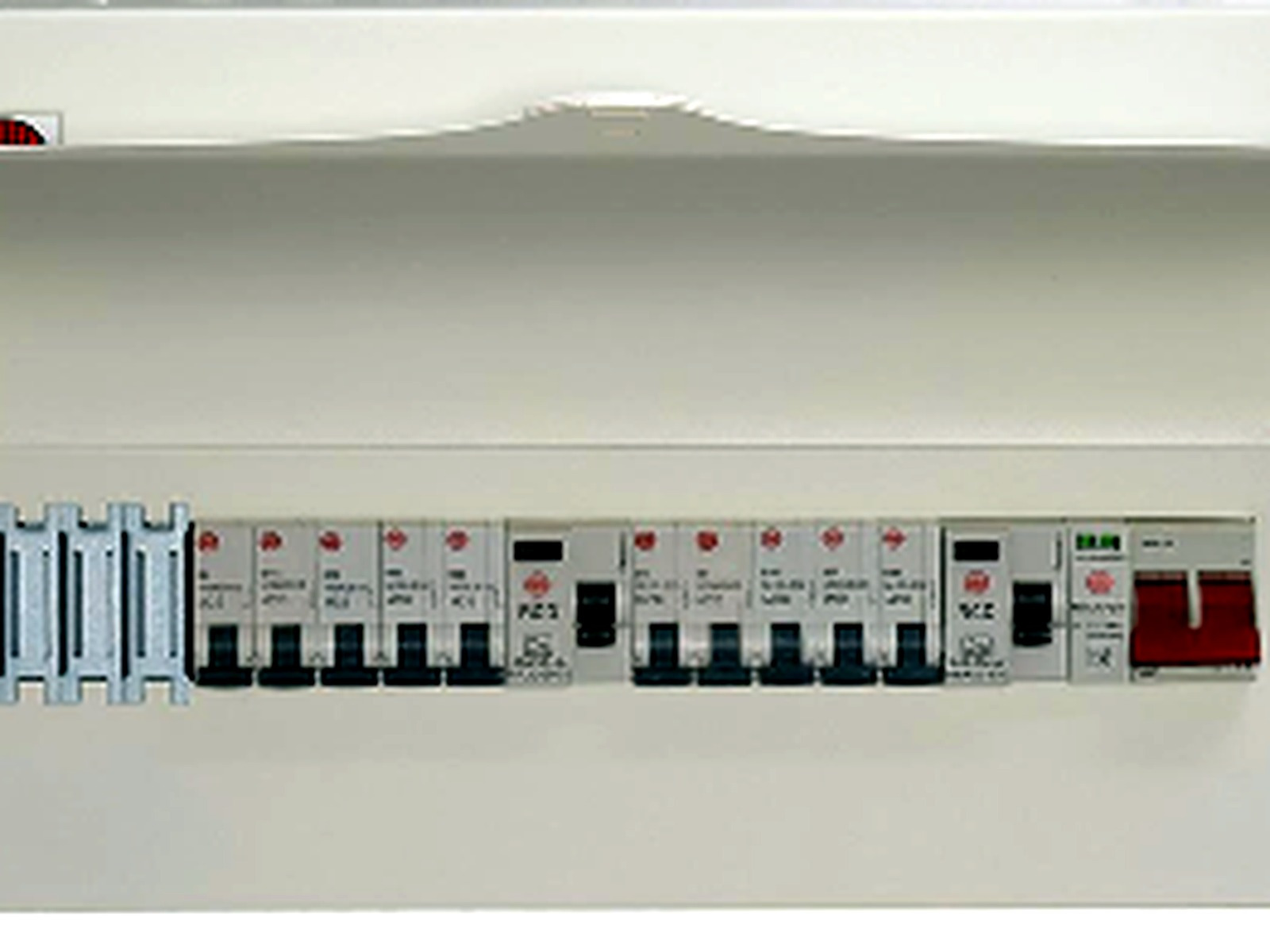
These boards introduced valuable additional RCD protection, but a fault on one circuit can sometimes disconnect several circuits together. They often do not include surge protection
Individual RCBO protection means a fault on one circuit is less likely to disconnect lighting and power throughout the rest of the property, reducing inconvenience while maintaining protection.
Some buildings require additional protection using Arc Fault Detection Devices (AFDDs). These monitor circuits for dangerous electrical arcs. AFDDs are recommended in certain situations and are becoming increasingly common, although they are not currently required for every domestic installation.
Signs of heat, deterioration, loose parts, damaged enclosures or unsuitable alterations may justify replacement.
Older arrangements may not provide suitable RCD or RCBO protection for all circuits and intended uses.
New circuits, alterations or wider improvements may make it sensible to review the existing consumer unit.
The existing board may not have sufficient space or suitable arrangements for proposed additions.
Shared RCD arrangements can sometimes cause several circuits to disconnect because of a fault on one circuit.
An EICR or other assessment may identify limitations or defects that make replacement the most practical option.
Replacing a consumer unit involves more than simply changing the enclosure. The existing installation must be assessed, tested and suitable for connection.
Review the existing board, circuits, earthing and bonding, access and the reason for considering replacement.
Test the installation sufficiently to identify defects or limitations that need attention before the new board is connected.
Install the agreed consumer unit, protective devices and clear circuit identification.
Test the completed installation and provide the relevant electrical certification and notification where required.
Pre-work inspection and testing may identify faults or limitations that need to be corrected before or during the upgrade. These will be explained clearly before additional work is undertaken.
The exact arrangement depends on the property, existing circuits, supply characteristics and the agreed scope.
The objective is to provide suitable protection, clear circuit identification and a consumer unit that is practical to maintain and use.
Many homes still have consumer units that were installed 20–40 years ago. Age alone does not mean they are unsafe, but regular inspection helps determine whether they continue to provide suitable protection for today's electrical installations.
Electrical installations are subject to years of normal heating and cooling during everyday use. While this is entirely normal, it can gradually affect connections and protective devices, allowing faults to develop without obvious warning until they become a much larger problem.
Regular inspection and testing help identify these issues early, often before they result in inconvenience, damage or loss of power.
Select a question below to reveal the answer.
Send a photograph of the existing board where it is safe to do so. We are happy to assess the existing installation, explain the findings clearly and recommend replacement only where there is a genuine benefit.