01
Why does my consumer unit keep tripping?
Understand why an RCD, RCBO or circuit-breaker may operate and why repeated resetting is not a substitute for finding the cause.
Read about fault finding ›
Clear explanations covering common electrical questions, safety concerns, inspections, consumer units, fault finding and smaller household improvements.
Electrical work is not a subject most people deal with every day. These guides help you understand the issue, recognise when professional advice may be needed and make a more informed decision.
The information is practical and homeowner-friendly, without replacing an inspection or property-specific assessment.
Select the subject closest to the issue or improvement you are considering.
Understand why an RCD, RCBO or circuit-breaker may operate and why repeated resetting is not a substitute for finding the cause.
Read about fault finding ›Learn what is inspected and tested, why temporary power isolation may be required and what the final report contains.
Read about EICRs ›Age alone does not determine the answer. Condition, protection, intended use and test results all matter.
Read about consumer units ›A simple explanation of the protective devices commonly found in domestic electrical installations.
Understand circuit protection ›Understand why alarms have a defined service life and why an expired device may no longer provide dependable warning.
Ask about smoke alarms ›The circuit, cable route, earthing, RCD protection and outdoor installation method all need to be considered.
Read about small jobs ›Heat, discolouration, buzzing or burning smells may indicate a poor connection or fault that should be investigated.
View warning signs ›Even a simple replacement or alteration may require appropriate inspection and testing to confirm safe completion.
Read about smaller work ›Understand the classification codes used to describe observations recorded on an Electrical Installation Condition Report.
Understand EICR codes ›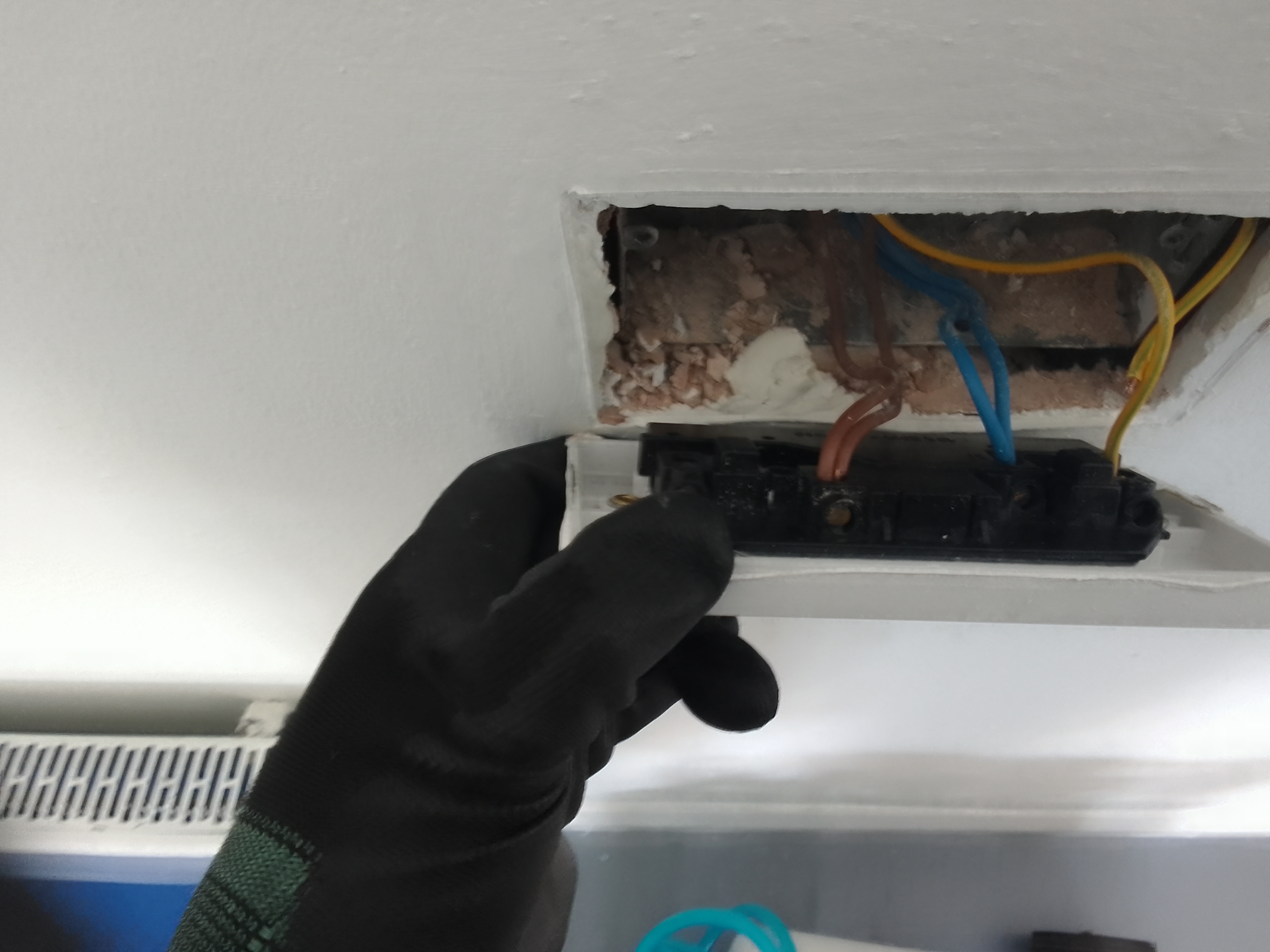
A fault may be hidden behind an accessory or elsewhere on the circuit. Investigation helps identify the cause rather than repeatedly treating the symptom.
View fault finding ›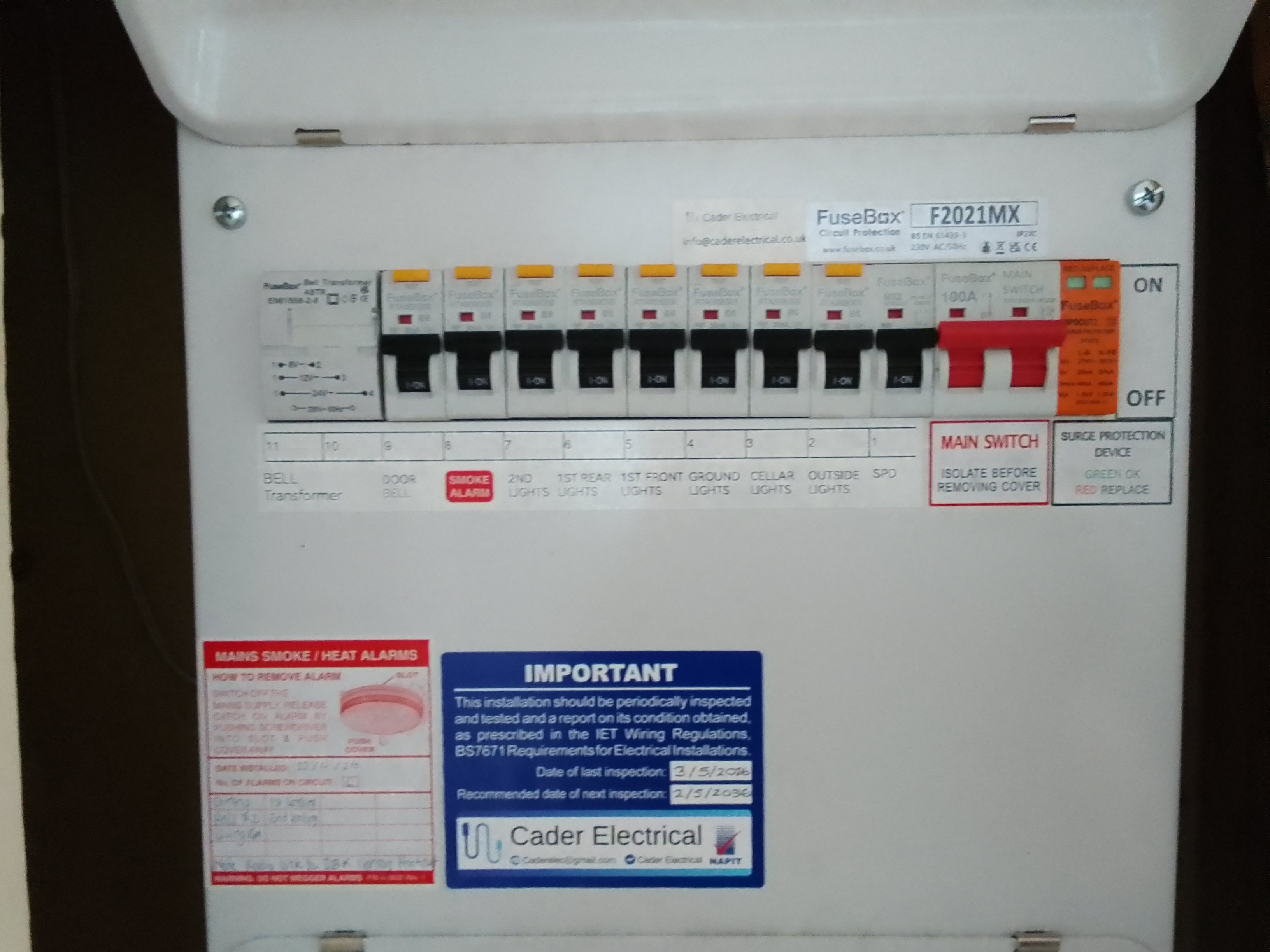
A consumer unit should be considered in the context of its condition, protective arrangements, intended use and the wider installation.
Read about consumer units ›Use the guidance to recognise the likely subject and any warning signs.
Note what is affected and whether there is heat, smell, damage, tripping or loss of power.
Send a short explanation and photographs where useful and safe.
Electrical faults and installation conditions cannot normally be diagnosed reliably from appearance alone.
Photographs may help establish the next step, but inspection and testing may still be required.
Do not remove covers, touch exposed wiring or continue resetting a protective device that repeatedly trips.
Select a question below to reveal the answer.
Send a short description and a few photographs where useful and safe. We can help identify the most appropriate next step.