Find the cause, not just the symptom

Electrical fault finding

Structured investigation for repeated tripping, intermittent power, flickering lights, burning smells, discoloured outlets and other unexplained electrical problems.

Effective fault finding avoids guesswork. Inspection, testing and logical diagnosis are used to narrow down the cause before repairs are proposed.

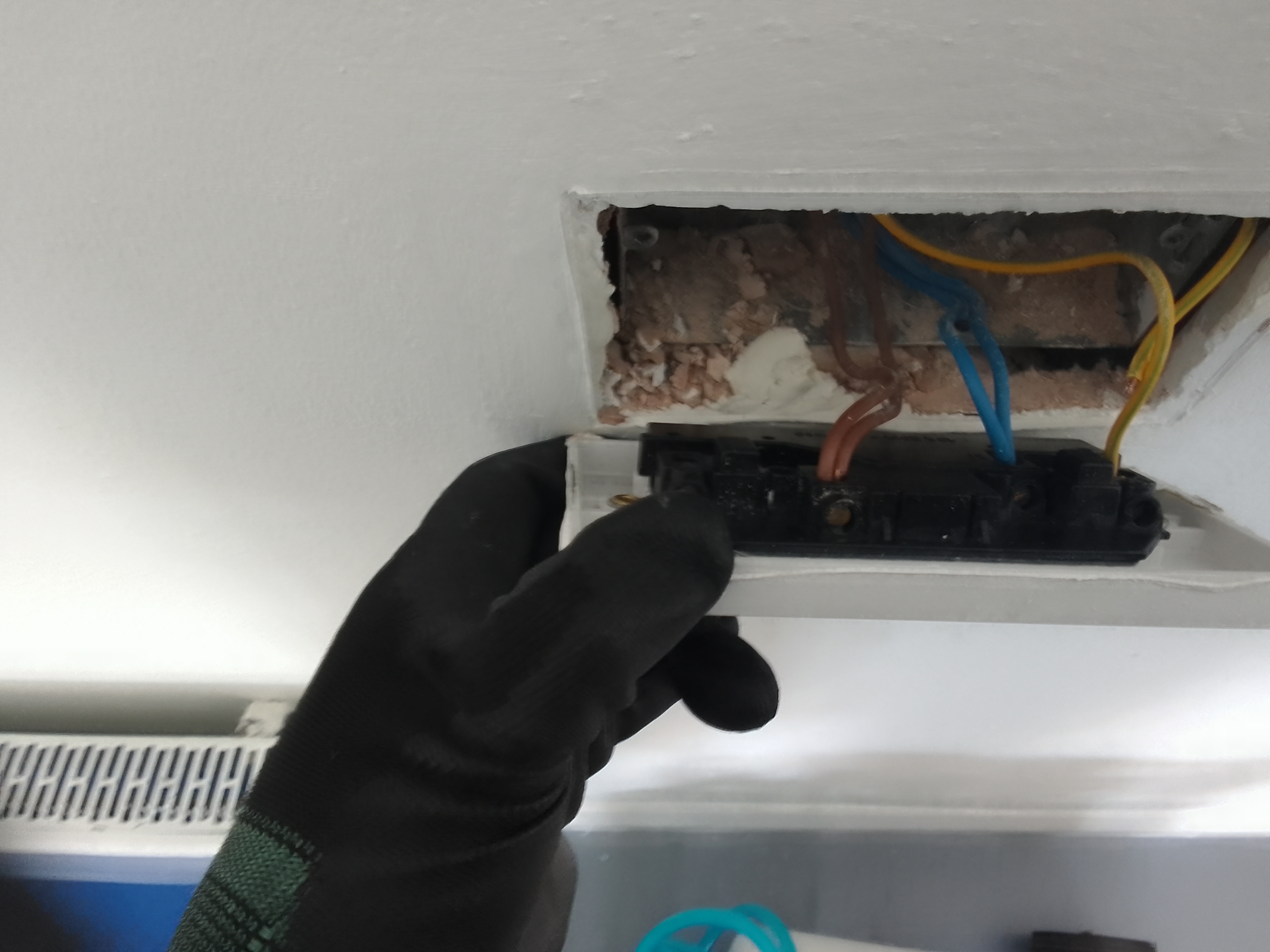
Detached earth conductor identified behind a socket during fault finding
A detached earth conductor identified during a structured investigation.
Common warning signs

When should a fault be investigated?

01

Repeated tripping

An RCD, RCBO or circuit-breaker trips repeatedly.

02

Intermittent power

A circuit or accessory works only some of the time.

03

Flickering lights

Lights dim, flicker or stop working unexpectedly.

04

Heat or smell

Burning smells, warmth, buzzing or visible discolouration.

05

Failed outlets

Dead sockets, switches or accessories that operate intermittently.

06

Unexpected behaviour

Unexplained loss of supply or equipment operating unexpectedly.

A logical diagnostic process

How electrical faults are traced

1

Understand symptoms

Establish when the issue occurs and what is affected.

2

Inspect and assess

Review accessible equipment, connections and protective devices.

3

Test systematically

Use appropriate electrical tests to narrow down the fault.

4

Explain and agree next steps

Confirm the likely cause and discuss repair options clearly.

Frequently asked questions

Questions about electrical fault finding

Select a question below to reveal the answer.

Why does my RCD keep tripping?
Possible causes include a faulty appliance, damaged wiring, moisture, accumulated leakage current or a fault on one of the circuits. Testing is normally required to identify the cause.
Can I keep resetting a tripped breaker?
A protective device that trips repeatedly should not simply be reset. Repeated operation may indicate a fault that should be investigated.
How long does fault finding take?
It depends on whether the fault is permanent or intermittent, accessibility and how many circuits or appliances may be involved.
Will walls or floors need to be opened?
Not usually at the start. Inspection and testing are used first to narrow down the likely location and avoid unnecessary disruption.
Will I receive documentation after a repair?
The documentation depends on the repair carried out and may include a Minor Electrical Installation Works Certificate or other supporting test records where appropriate.
Fault finding

Need help with an electrical fault?

Describe the symptoms and include photographs where useful and safe.